



Safe manicure: the role of remover in cuticle care
- What is a cuticle remover and how it works
- Remover vs. trimmed manicure: what's the difference
- Gel, liquid, or cream remover: which format is better
- How to use a cuticle remover
- Typical mistakes when using a remover
- Remover in daily cuticle care
Modern manicure is not only about bright polish color or the perfect nail shape, but primarily about health and safety. The days when deep cutting of the skin was considered the only standard of aesthetics are gradually becoming a thing of the past. Today, professionals and home-care enthusiasts choose non-traumatic methods, where special cosmetics play the leading role. If you strive to keep your hands in perfect condition without the risk of cuts or hangnails, it is worth looking in more detail at how modern cuticle removal products work.
What is a cuticle remover and how it works
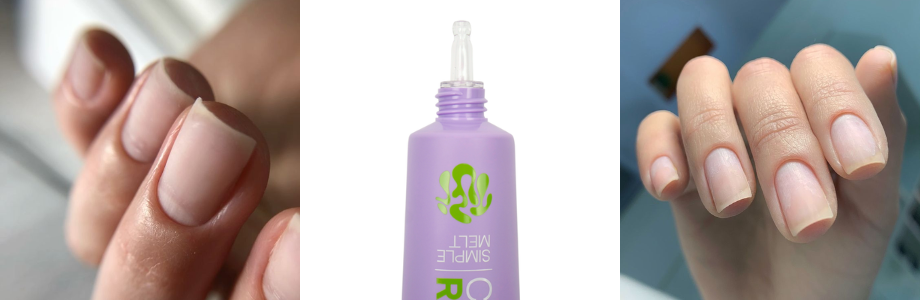
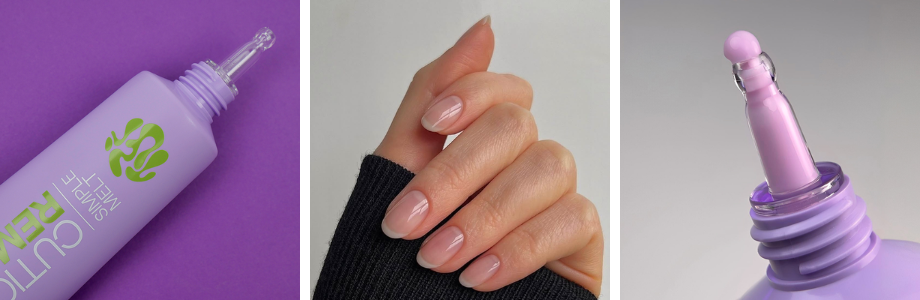
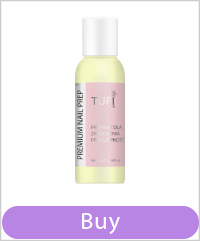
For many beginners, this word still sounds mysterious. Let's try to figure out: what does a cuticle remover do exactly? It is a special cosmetic formula designed for fast softening and partial dissolution of keratinized skin cells (pterygium) that grow onto the nail plate. Unlike traditional soaking in a bowl, these cuticle care products act specifically on dead tissue without drying out the living skin around the nail.
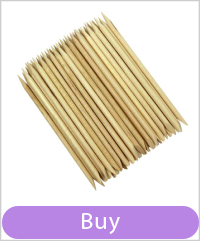
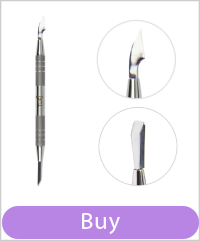
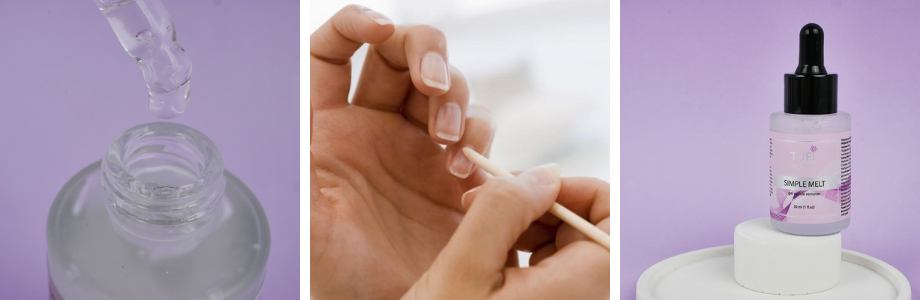
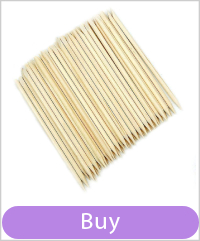
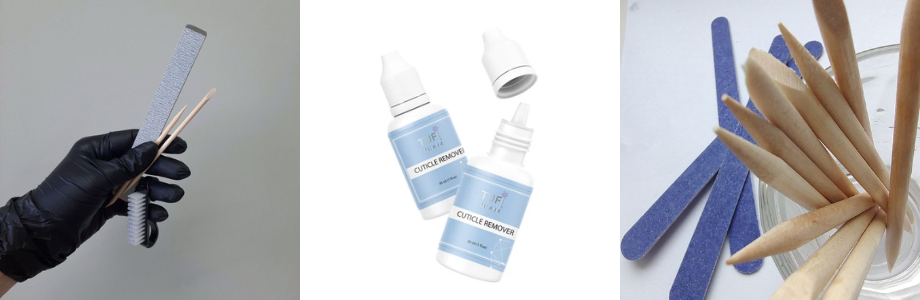
The principle of the product's action is quite simple but effective. Active components (these can be mild fruit acids, alkalis, or urea) penetrate the structure of dead skin, breaking down the intercellular bonds of the keratin layer. Thanks to this, the cuticle becomes extremely soft and pliable, allowing it to be easily removed with an orange wood stick or a pusher, without resorting to cutting tools.
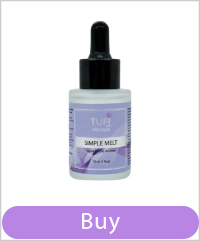
In addition to cleaning, a high-quality and good cuticle remover from TUFI Profi often contains caring components: glycerin, aloe extracts, or panthenol. This allows not only to remove excess skin but also to soothe the skin directly during the procedure. Regular use has a cumulative effect: with each time, the cuticle grows slower, becomes thinner, and looks much neater even without daily intervention.
.jpg)
Remover vs. trimmed manicure: what's the difference
Classic trimmed manicure requires high skill, as one wrong move with scissors can lead to injury and infection. By using high-quality best cuticle removers, you choose the path of least resistance and maximum safety.
The main advantage of European (untrimmed) manicure is that the living tissue remains intact. When we cut the cuticle to "zero," the body perceives it as a trauma and begins to grow the skin back even more intensively and coarsely. Using untrimmed manicure products, you act delicately: they only remove what is unnecessary, slowing down cuticle growth with regular use. This is the ideal choice for those with shallow capillaries or very thin skin.
Gel, liquid, or cream remover: which format is better
There are many textures on the market, and the choice depends on your preferences and skin type:
- Gel cuticle remover is the most popular among professionals. It has a thick consistency, does not run, and allows for precise dosage. This is a great option for home use.
- Cream cuticle remover usually contains more moisturizing components and oils. It acts very gently, so it is often recommended for clients with very dry and sensitive hand skin.
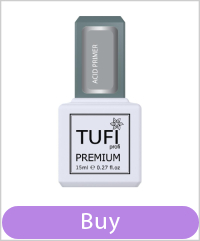
- If the skin is very tough, a liquid cuticle remover may be suitable. Such formulas often have a more aggressive composition. For example, an acid cuticle remover works very quickly and is often used in professional pedicures.
When choosing your ideal product, remember that effectiveness largely depends on following the manufacturer's instructions.
How to use a cuticle remover
The procedure doesn't take much time but requires a specific sequence. Here is a step-by-step guide on how to perform the procedure correctly:
- Clean nails from polish residue and disinfect hands.
- Apply a small amount of product to the skin around the nail plate.
- Wait for a specific time. The main question that worries beginners is: how long to keep the cuticle remover on the skin? Usually, it takes from 1 to 3 minutes for gel formulas and no more than 1 minute for alkaline ones.
- Carefully push back and clear away the softened skin with a pusher.
- Be sure to wash off the product residue with water or wipe with a wet cloth to neutralize the active components.
Typical mistakes when using a remover
Even such a safe product can cause harm if rules are ignored. The most common mistake is overkeeping the formula on the skin. If you forget about the timing, acids or alkalis can cause burns or make the nail plate brittle.
Another mistake is using the product on damaged skin. If you have fresh wounds or hangnails, postpone the procedure until full healing. Also, do not forget to thoroughly wash off the product: residues of active substances continue to act on the skin even after you have finished the manicure, which can lead to dryness.
Remover in daily cuticle care
If you want your hands to always look as if you just stepped out of a salon, the remover should become part of your beauty routine. With regular use, you will notice that the cuticle becomes thinner and requires almost no trimming.
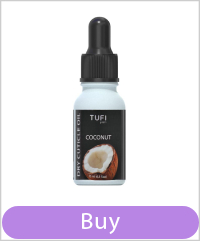
After the procedure, be sure to use cuticle oil from TUFI Profi. This will help soothe the skin and saturate it with moisture. To maintain the result, apply a nourishing hand cream every evening, paying special attention to the area around the nails.
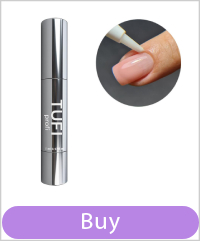
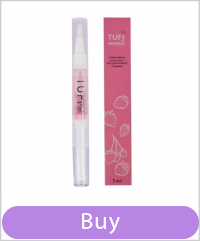
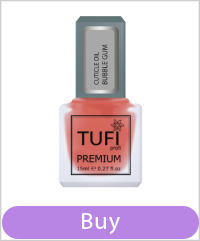
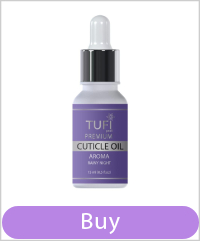
A quality manicure starts with the right tools and cosmetics. Products of the TUFI Profi brand are developed considering the needs of both professional masters and those who care for themselves at home. Our removers combine an effective formula with a careful attitude toward your nail health.
Want to try a professional approach in action? We recommend buying TUFI Profi products in the official store to be sure of the originality and quality of each bottle. Your hands deserve the best care!

